PRODUCT CHARACTERISTICS
EFFECTS ON SKIN FROM INGREDIENTS
By skin type

oily skin
No notable ingredients
0 good ingredient(s) for Oily Skin:
0 bad ingredient(s) for Oily Skin:
💡 PRO-TIP 1: Pay extra attention to the first 5 ingredients (#1 - #5) of the ingredient list. They make up most of the product. The remaining ingredients have barely any effect on the skin (there are exceptions).
💡 PRO-TIP 2: It is pretty much possible for anyone to have skin reactions to anything/ any ingredient. Therefore test new products carefully (small amounts, patch tests on small areas of the skin).

combination skin
No notable ingredients
0 good ingredient(s) for Combination Skin:
0 bad ingredient(s) for Combination Skin:
💡 PRO-TIP 1: Pay extra attention to the first 5 ingredients (#1 - #5) of the ingredient list. They make up most of the product. The remaining ingredients have barely any effect on the skin (there are exceptions).
💡 PRO-TIP 2: It is pretty much possible for anyone to have skin reactions to anything/ any ingredient. Therefore test new products carefully (small amounts, patch tests on small areas of the skin).

dry skin
1
1
1 good ingredient(s) for Dry Skin:
#3: GLYCOLIC ACID
1 bad ingredient(s) for Dry Skin:
#2: ALCOHOL DENAT.
💡 PRO-TIP 1: Pay extra attention to the first 5 ingredients (#1 - #5) of the ingredient list. They make up most of the product. The remaining ingredients have barely any effect on the skin (there are exceptions).
💡 PRO-TIP 2: It is pretty much possible for anyone to have skin reactions to anything/ any ingredient. Therefore test new products carefully (small amounts, patch tests on small areas of the skin).
By skinconcern

dehydrated skin
3
3 good ingredient(s) for Dehydration:
#4: GLYCERIN
#6: BUTYLENE GLYCOL
#16: CAPRYLYL GLYCOL
0 bad ingredient(s) for Dehydration:
💡 PRO-TIP 1: Pay extra attention to the first 5 ingredients (#1 - #5) of the ingredient list. They make up most of the product. The remaining ingredients have barely any effect on the skin (there are exceptions).
💡 PRO-TIP 2: It is pretty much possible for anyone to have skin reactions to anything/ any ingredient. Therefore test new products carefully (small amounts, patch tests on small areas of the skin).

acne prone skin
1
1 good ingredient(s) for Acne Prone Skin:
#3: GLYCOLIC ACID
0 bad ingredient(s) for Acne Prone Skin:
💡 PRO-TIP 1: Pay extra attention to the first 5 ingredients (#1 - #5) of the ingredient list. They make up most of the product. The remaining ingredients have barely any effect on the skin (there are exceptions).
💡 PRO-TIP 2: It is pretty much possible for anyone to have skin reactions to anything/ any ingredient. Therefore test new products carefully (small amounts, patch tests on small areas of the skin).

sensitive skin
1
8
1 good ingredient(s) for Sensitive Skin:
#17: GLYCYRRHIZA GLABRA ROOT EXTRACT
8 bad ingredient(s) for Sensitive Skin:
#2: ALCOHOL DENAT.
#3: GLYCOLIC ACID
#15: PELARGONIUM GRAVEOLENS OIL
#18: CITRONELLOL
#19: GERANIOL
#20: LIMONENE
#21: CITRAL
#22: LINALOOL
💡 PRO-TIP 1: Pay extra attention to the first 5 ingredients (#1 - #5) of the ingredient list. They make up most of the product. The remaining ingredients have barely any effect on the skin (there are exceptions).
💡 PRO-TIP 2: It is pretty much possible for anyone to have skin reactions to anything/ any ingredient. Therefore test new products carefully (small amounts, patch tests on small areas of the skin).

anti-aging
1
1 good ingredient(s) for Anti-Aging:
#3: GLYCOLIC ACID
0 bad ingredient(s) for Anti-Aging:
💡 PRO-TIP 1: Pay extra attention to the first 5 ingredients (#1 - #5) of the ingredient list. They make up most of the product. The remaining ingredients have barely any effect on the skin (there are exceptions).
💡 PRO-TIP 2: It is pretty much possible for anyone to have skin reactions to anything/ any ingredient. Therefore test new products carefully (small amounts, patch tests on small areas of the skin).

fungal acne
2
0 good ingredient(s) for Fungal Acne:
2 bad ingredient(s) for Fungal Acne:
#12: POLYSORBATE 20
#15: PELARGONIUM GRAVEOLENS OIL
💡 PRO-TIP 1: Pay extra attention to the first 5 ingredients (#1 - #5) of the ingredient list. They make up most of the product. The remaining ingredients have barely any effect on the skin (there are exceptions).
💡 PRO-TIP 2: It is pretty much possible for anyone to have skin reactions to anything/ any ingredient. Therefore test new products carefully (small amounts, patch tests on small areas of the skin).
By skinconcern

clogged pores
1
1 good ingredient(s) for Clogged Pores:
#3: GLYCOLIC ACID
0 bad ingredient(s) for Clogged Pores:
💡 PRO-TIP 1: Pay extra attention to the first 5 ingredients (#1 - #5) of the ingredient list. They make up most of the product. The remaining ingredients have barely any effect on the skin (there are exceptions).
💡 PRO-TIP 2: It is pretty much possible for anyone to have skin reactions to anything/ any ingredient. Therefore test new products carefully (small amounts, patch tests on small areas of the skin).
acne, pimples
No notable ingredients
0 good ingredient(s) for Acne, Pimples:
0 bad ingredient(s) for Acne, Pimples:
💡 PRO-TIP 1: Pay extra attention to the first 5 ingredients (#1 - #5) of the ingredient list. They make up most of the product. The remaining ingredients have barely any effect on the skin (there are exceptions).
💡 PRO-TIP 2: It is pretty much possible for anyone to have skin reactions to anything/ any ingredient. Therefore test new products carefully (small amounts, patch tests on small areas of the skin).

large pores
No notable ingredients
0 good ingredient(s) for Large Pores:
0 bad ingredient(s) for Large Pores:
💡 PRO-TIP 1: Pay extra attention to the first 5 ingredients (#1 - #5) of the ingredient list. They make up most of the product. The remaining ingredients have barely any effect on the skin (there are exceptions).
💡 PRO-TIP 2: It is pretty much possible for anyone to have skin reactions to anything/ any ingredient. Therefore test new products carefully (small amounts, patch tests on small areas of the skin).

dull skin
1
1 good ingredient(s) for Dull Skin:
#3: GLYCOLIC ACID
0 bad ingredient(s) for Dull Skin:
💡 PRO-TIP 1: Pay extra attention to the first 5 ingredients (#1 - #5) of the ingredient list. They make up most of the product. The remaining ingredients have barely any effect on the skin (there are exceptions).
💡 PRO-TIP 2: It is pretty much possible for anyone to have skin reactions to anything/ any ingredient. Therefore test new products carefully (small amounts, patch tests on small areas of the skin).

pigmentation
2
2 good ingredient(s) for Pigmentation:
#3: GLYCOLIC ACID
#17: GLYCYRRHIZA GLABRA ROOT EXTRACT
0 bad ingredient(s) for Pigmentation:
💡 PRO-TIP 1: Pay extra attention to the first 5 ingredients (#1 - #5) of the ingredient list. They make up most of the product. The remaining ingredients have barely any effect on the skin (there are exceptions).
💡 PRO-TIP 2: It is pretty much possible for anyone to have skin reactions to anything/ any ingredient. Therefore test new products carefully (small amounts, patch tests on small areas of the skin).
COMEDOGENIC & RISK RATING
Hover over the doughnut for more information!
Hover over the doughnut for more information!
FULL INGREDIENT LIST
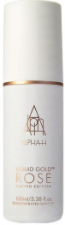
👉 The product Alpha-H Liquid Gold Rose with Glycolic Acid contains 22 ingredients in total.
👉 Alpha-H Liquid Gold Rose with Glycolic Acid is, silicone-free, paraben-free, mineral oil-free.
👉 Here's the full ingredient list: Aqua, Alcohol Denat., Glycolic Acid, Glycerin, Hydrolyzed Silk, Butylene Glycol, Maris Sal, Sodium Carrageenan, Potassium Hydroxide, Nelumbo Nucifera Flower Extract, Orchis Morio Flower Extract, Polysorbate 20, Rosa Damascena Flower Water, Phenoxyethanol, Pelargonium Graveolens Oil, Caprylyl Glycol, Glycyrrhiza Glabra Root Extract, Citronellol, Geraniol, Limonene, Citral, Linalool
👉 Alpha-H Liquid Gold Rose with Glycolic Acid contains following superstar ingredients:
∙ AHA
| Ingredient | Comedogenic | Risk | Function |
|---|---|---|---|
1. AQUA | no data | no data | SOLVENT |
2. ALCOHOL DENAT. | no data | no data | ANTIFOAMING, ANTIMICROBIAL, ASTRINGENT, FRAGRANCE, SOLVENT, VISCOSITY CONTROLLING |
3. GLYCOLIC ACID | no data | Safe with qualifications | BUFFERING |